Cortisol Belly Fat: Why Stress Shows Up In Your Midsection
Many individuals notice that weight gain can occur around the abdomen during stressful periods, even when diet and activity levels remain stable. This phenomenon is commonly referred to as “cortisol belly fat,” a pattern of fat storage closely linked to the body’s hormonal response to stress.
Cortisol, the body’s primary stress hormone, plays a key role in metabolism, inflammation, and energy regulation. When it remains elevated for extended periods, it can significantly influence where and how the body stores fat. One of the most notable outcomes of chronic cortisol elevation is an increase in visceral fat, the deeper abdominal fat associated with increased health risks.
Understanding how cortisol affects fat distribution provides a valuable foundation for improving metabolic health and taking meaningful steps to reduce abdominal fat.
What Is Cortisol Belly Fat?
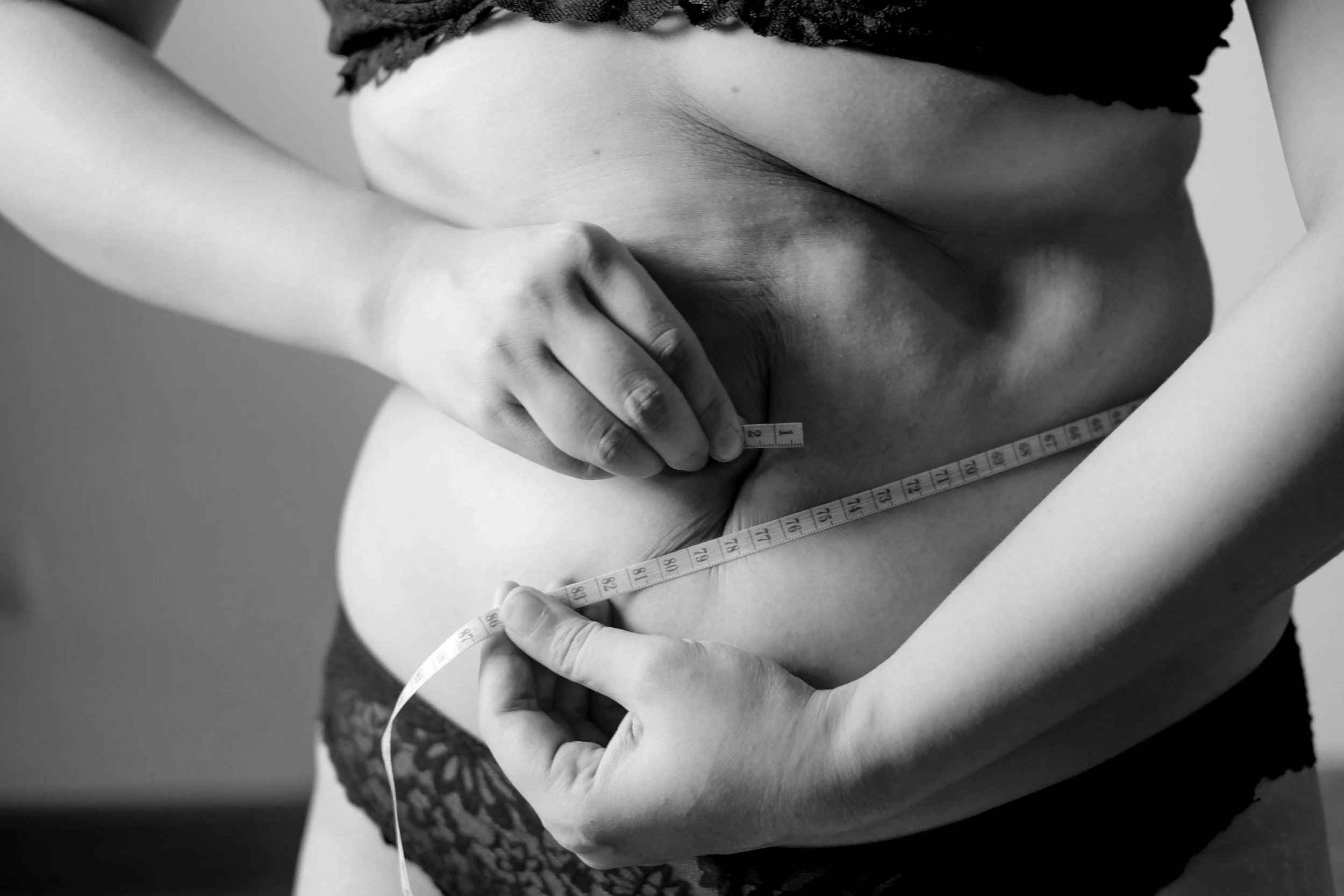
Connection of Cortisol and Belly Fat
“Cortisol belly fat” is one way to refer to the accumulation of visceral abdominal fat influenced by chronic or repeated elevations in cortisol and stress levels. Unlike subcutaneous fat, which lies directly beneath the skin, visceral fat surrounds internal organs and is more metabolically active.
According to the Cleveland Clinic, elevated visceral fat is associated with a higher risk of cardiovascular disease, insulin resistance, and metabolic disorders. Research supports the relationship between stress and abdominal fat storage. One study noted that “school-related stress… plays a role in the determination of body fat distribution” and that cortisol can “redistribute fat from the periphery to the abdominal region.”
(Donoho et al., 2010, Obesity)
This redistribution occurs because cortisol promotes energy conservation and increases the storage of fat near vital organs during times of perceived threat or danger. The body is preparing to have energy conserved and ready to fuel itself when facing high-stress situations.
What Causes Cortisol Belly Fat?
Cortisol levels can rise in response to physical, emotional, mental, or environmental stressors. While short-term elevation is normal and adaptive, chronic or repeated activation of the stress response leads to sustained cortisol release, which influences metabolism and fat storage.
Key contributors include:
Emotional stress: relationship challenges, family responsibilities
Work or financial stress: ongoing pressure, high workload, instability
Sleep disruption: irregular sleep cycles or insufficient rest
Physical stress: illness, overexercise, or chronic inflammation
Dietary patterns: irregular meals or highly processed diets
Hormonal shifts: especially during peri-menopause and menopause
Cortisol and Menopause: Why Abdominal Fat Often Increases
During menopause, a decline in estrogen reduces the body’s ability to regulate cortisol effectively. Estrogen typically helps moderate cortisol responses, so its reduction leads to increased cortisol activity. As cortisol rises, abdominal fat storage becomes more likely, even if overall weight remains unchanged.
This explains why many individuals in perimenopause or menopause suddenly develop cortisol belly fat despite stable routines. If you are facing this struggle, just know that you are not alone!
Women in perimenopause and menopausal stages sometimes feel like they need to work twice as hard to balance their stress levels, manage their eating and exercise habits, and take time for themselves. This can be overwhelking but working with one of our Healthy Weight Loss Dietitians can help you make sense of how your body is changing in perimenopause to menopause and have a clear path forward.
Signs You May Have High Cortisol Levels
While only medical imaging can precisely measure visceral fat, several indicators suggest that cortisol-related fat accumulation may be present.
1. Increased Waist Circumference
Waist circumference is one of the simplest and most accessible indicators of rising visceral fat levels, as well as what causes the “cortisol belly.” Even modest changes can suggest that fat is accumulating around internal organs rather than uniformly across the body.
2. Thinner Skin or More Visible Stretch Marks
Elevated cortisol can weaken collagen integrity, causing thinner skin, slower wound healing, or a greater tendency to develop stretch marks. These outcomes may be difficult, but not impossible, to reverse, and they should improve over time as cortisol levels regulate.
3. Cravings for High-Sugar or High-Carbohydrate Foods
Cortisol encourages the body to seek quick energy sources since a rise in cortisol is a biological alarm signal for danger. This often results in cravings for refined carbohydrates, sweets, and high-fat snack foods, particularly during periods of stress or fatigue.
4. Fatigue Paired With a “Wired” Feeling
Many individuals with high cortisol describe feeling exhausted, yet unable to fully relax. This “wired but tired” sensation is a common hormonal pattern associated with chronic stress.
5. Difficulty Achieving Restful Sleep
Poor sleep quality, frequent nighttime awakenings, or early morning waking around 2–4 a.m. are often associated with cortisol dysregulation and may correlate with abdominal fat gain.
How to Reduce Cortisol Belly Fat
Reducing cortisol belly fat requires a strategy that targets both fat metabolism and cortisol regulation. Fortunately, visceral fat is highly responsive to lifestyle change, and significant improvements can occur with consistent effort.
1. Exercise Strategically (Not Excessively)
Regular physical activity is one of the most effective ways to reduce visceral fat. Moderate exercise improves insulin sensitivity, supports metabolic health, and helps regulate cortisol levels over time.
Recommended guidelines include:
Lifting heavier weights for shorter duration vs light weight/high repitition to help build muscle and reduce systemic fatigue
A combination of cardiovascular exercise and resistance training
Low- to moderate-intensity activities such as walking, strength training, Pilates, or cycling
Short bouts of higher-intensity exercise if well-tolerated
Overtraining should be avoided. Excessive high-intensity exercise may actually increase cortisol and contribute to fatigue, making cortisol belly fat more difficult to reduce.
2. Use Nutrition to Support Cortisol Balance
A balanced diet helps regulate blood sugar and decrease cortisol-driven cravings, creating a metabolic environment less favorable for visceral fat storage.
Supportive nutritional patterns include:
Whole fruits and vegetables, fresh or frozen
Adequate protein intake distributed throughout the day
High-fiber foods such as whole grains, legumes, vegetables, and berries
Healthy fats, including nuts, seeds, olive oil, and avocados
Consistent hydration
Foods to limit include:
Highly processed foods
Excess saturated fats
Foods high in added sugars
Frequent fast-food consumption
This approach focuses on nutrient density rather than restriction, supporting both metabolic and hormonal stability.
3. Regulate the Nervous System to Lower Cortisol
Since cortisol belly fat is closely tied to chronic stress, nervous system regulation is essential for sustainable change. Calming the stress response reduces cortisol output and supports healthier fat distribution over time.
Evidence-based strategies include:
Mindfulness or meditation for at least 10–15 minutes daily
Journaling for stress processing
Limiting screen exposure before bed
Creating consistent sleep and wake times
Breathwork practices to downregulate the stress response
Setting firm personal and professional boundaries to reduce overwhelm
Taking brief breaks throughout the day to prevent stress accumulation
Do not let these changes cause even more stress and overwhelm in your life. Implementing even a few of these habits into your daily routine can meaningfully support cortisol regulation and reduce abdominal fat storage.

Begin Your Weight Loss Journey
Cortisol belly fat is a well-documented response to chronic stress, hormonal changes, and lifestyle patterns that keep cortisol elevated. It is not a reflection of inadequate effort but rather a physiological adaptation driven by the body’s need to protect itself during perceived stress.
By understanding what contributes to cortisol elevation and making targeted adjustments in movement, nutrition, sleep, and stress management, it is possible to reduce abdominal fat and improve overall metabolic health significantly.
If you are looking for support and counsel through your high-cortisol and weight-loss journey, book a FREE discovery call with a registered dietitian today!