Diets for Perimenopause: Food and Lifestyle That Support Hormones and Metabolism
Do you ever wonder why you don’t have the same energy as you did in your early 20s?
Are you fed up with the traditional diets that don’t work like they used to?
We often tend to blame ourselves for not being motivated like we used to be. But what if I told you that it’s not your fault?
What if the changes we’re feeling are the cause of something else?
When reaching our late 30s and 40s, we think of menopause, which is typically characterized by symptoms such as weight gain, mood shifts, disrupted sleep, and dips in energy. What many women don’t realize is that these less-than-ideal changes can begin earlier (30s-40s) during perimenopause, which is the transitional phase to menopause.
The shifts in our hormones can be the reason why we feel overwhelmed by little things, or why traditional diets just don’t work anymore.
Don’t feel discouraged. The good news is that nutrition and lifestyle habits can impact our metabolic health and body composition at every stage of life. Meaning, our diet during perimenopause can actually increase our chances of feeling worse during menopause.
In this article, we will explore perimenopause and its impact on weight and metabolism, using evidence-based strategies to support you in your journey of maintaining healthier, practical habits that you can use today.
What is Perimenopause?

Perimenopause is the transitional phase leading to menopause, characterized by fluctuations in estrogen and progesterone levels, typically occurring in women’s late 30s - 40’s (up until Menopause).
The hormonal shifts lead to irregular menstrual cycles and symptoms, such as hot flashes, mood swings, fatigue, brain fog, joint pain, anxiety, and insomnia for many.
While estrogen and progesterone are primarily reproductive hormones, they also affect our metabolism, which plays a role in our gut-brain axis that controls our hunger levels and how we build muscle and store fat, which can lead to stubborn weight gain. According to the Cleveland Clinic, the decline in hormones can lead to digestive issues, such as acid reflux, diarrhea, and bloating.
Why does Perimenopause Happen?
As part of the natural reproductive aging process, ovarian function gradually declines, meaning it becomes less responsive to hormonal signals from the brain, leading to changes in estrogen levels.
These changes contribute to:
Fat storage → usually in the abdominal area
Restlessness → sleep disruptions
Increased cortisol → higher stress
Changes in hunger → May snack more often
Reduced insulin sensitivity → Higher blood sugar
From a functional perspective, the shift in hormones not only impacts our ovarian system but also the communication within the endocrine system. One study stated, “The symptoms of perimenopause are largely neurological in nature.” (Brinton RD, et al, 2016). The ovaries interact with our thyroid, adrenal glands, microbiome, and metabolic tissue, which all play a role in not just our physical health, but our cognitive function as well.
Often, many women in their 30s or 40s are prescribed antidepressants because of symptoms caused by perimenopause. But did you know that low progesterone can be the cause? A study found that interventions of estradiol and progesterone were effective in the treatment of depressive symptoms for peri and post-menopausal women.
To learn more about hormonal replacement therapy — Check out Dr. Haver’s The ABCs Of Hormone Therapy | The 'Pause Blog – The 'Pause Life by Dr. Mary Claire Haver
Fortunately, lifestyle factors, such as diet, exercise, and hormones, can influence our bodily systems and therefore increase or decrease symptoms we experience too
That is why our daily habits and diet during perimenopause are crucial to our lifelong health. Work with a Healthy Weight Loss Dietitian today if you are looking for 1:1 support for managing your symptoms using optimal nutrition and lifestyle strategies.
Holistic Strategies for optimal health during perimenopause
The purpose of a balanced perimenopausal diet is not to promote restriction but rather to enhance our metabolic function. As we age, the way we fuel our bodies may need to shift. In your 20’s and 30’s, a small calorie deficit or increasing exercise may have been all you needed to drop a few pounds, but as you age, it’s not as easy.
You may find that with an increase in stress, a decrease in hormone production, and the high demands of mid-life, what you used to do doesn't work anymore. This isn’t a willpower or discipline problem; it’s a normal metabolic shift that requires a shift in how we treat our bodies.
Below, we will talk about how to help you survive perimenopausal symptoms through nutrition.
Nutrition Strategies for Fueling the Transition
Prioritize Protein
For declining estrogen, our protein needs increase to support:
Adequate muscle mass reserves
Blood sugar management
Maintain metabolic rate
Improve hunger cues
Protein contains essential amino acids, which are the precursors to neurotransmitters in the brain that make all your feel-good chemicals. Enough protein supports mood, cravings, and energy.
Do sources of protein matter?
The answer is yes!
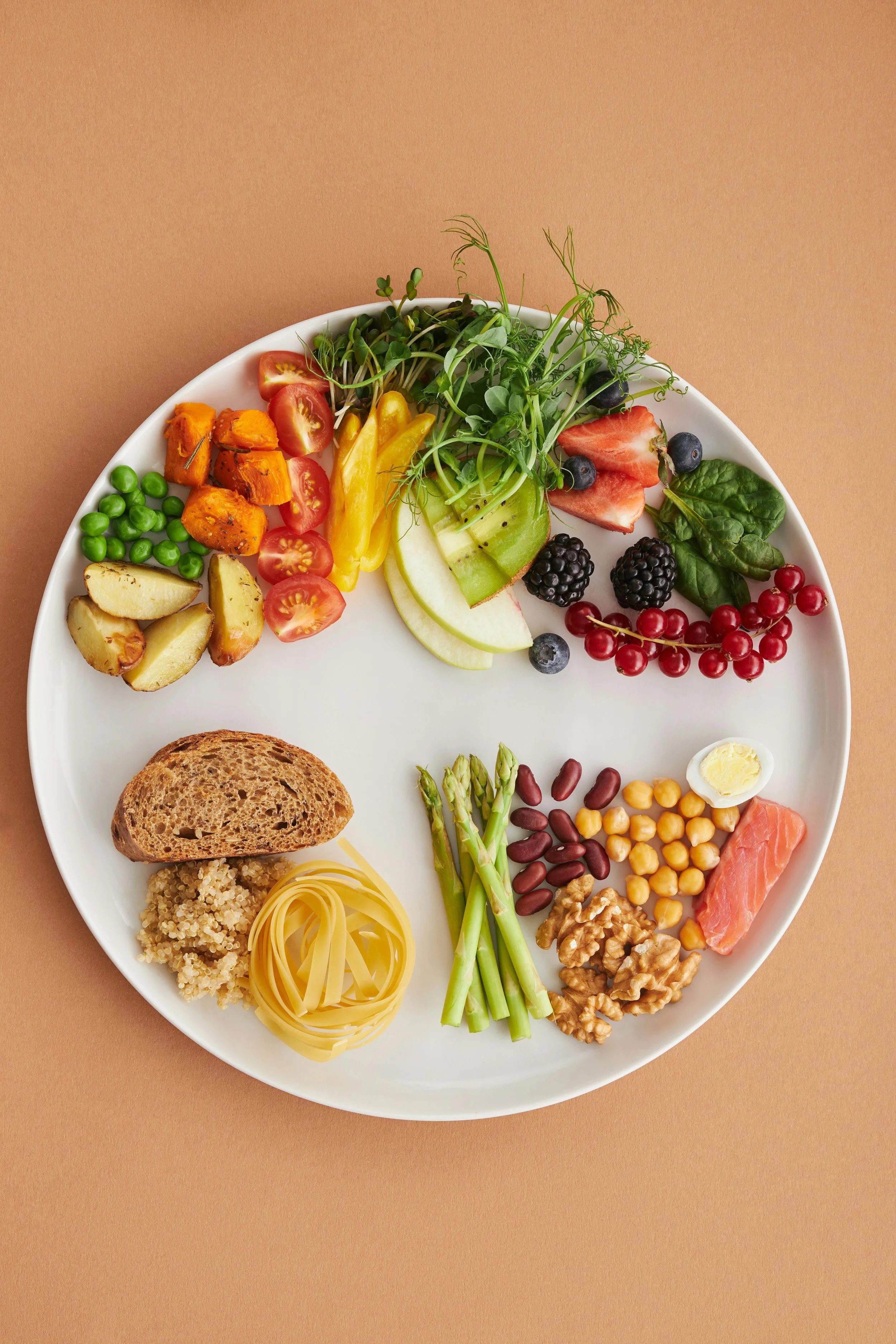
We like to choose lean protein (meat, fish, poultry, legumes, nuts, full-fat dairy) over processed meats such as deli slices and overly processed proteins.
Look for a minimally processed grass-fed whey protein for protein powders and protein bars with as few ingredients as possible that still get you 10g of protein per serving.
Full-fat dairy can help you feel fuller longer and provide more beneficial brain nutrients and minerals. The days of fat-free dairy are long gone and real food is the way to go!
Tip: Aim for 25-35 grams of protein per meal.
Focus on fiber
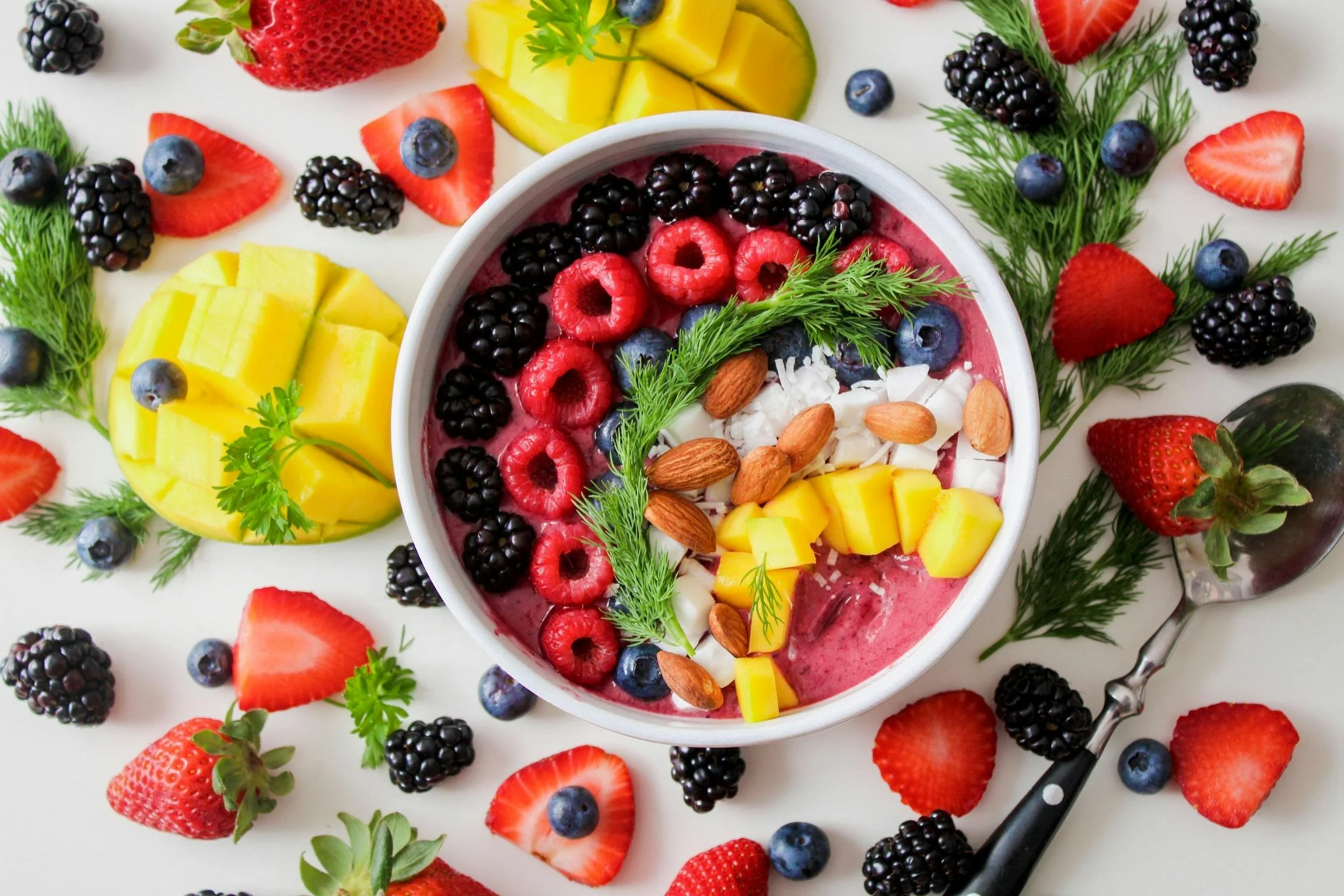
Regular consumption of fiber is crucial to the gut as it helps maintain a healthy microbiome and can help regulate high blood sugar, even in healthy individuals. Fiber is the key to a healthy gut.
Fiber promotes:
Blood sugar management
Keeping you full for longer
Heart and digestive health
Tip: Focus on soluble fiber sources like oats, apples, beans/legumes, sweet potato, and broccoli.
Heal with Healthy Fats
Fats are crucial in our diet because they are essential precursors for hormone production, such as estrogen and progesterone.
Omega-3 fatty acids are essential to:
Metabolism
Cell membrane health
Hormone signaling
Healthy fats are more than just extra calories; they are a source of fuel that the body needs to maintain normal function.
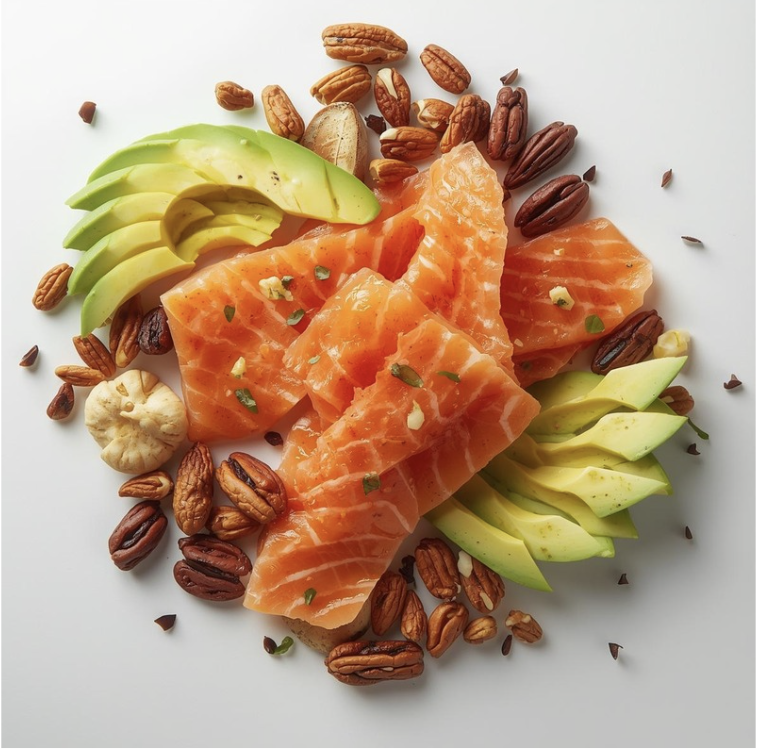
Anti-inflammatory fat sources include avocado oil, olive oil, coconut oil, and grass-fed butter.
Tips: Include sources such as wild-caught fatty fish (salmon, mackerel, sardines), chia seeds, walnuts, edamame, and dark leafy greens several times a week.
Hydration is hormone support
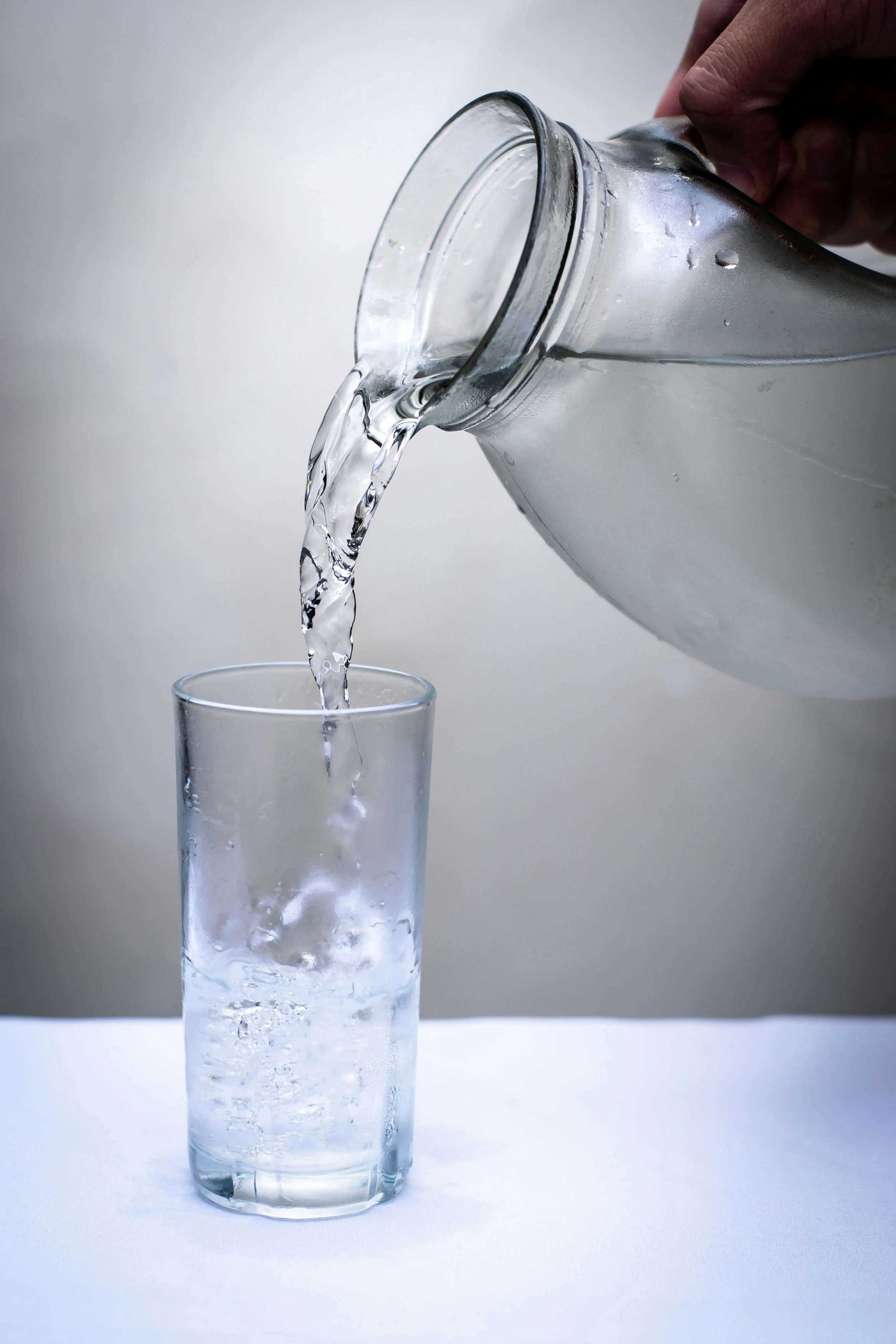
Changes in estrogen can influence fluid balance, meaning that women in perimenopause are more likely to be sensitive to dehydration, which can lead to problems like headaches, bloating, fatigue, and joint pain.
For better hydration, try these tips.
Drink 8-16 oz of water within 30 minutes of waking before coffee
Add flavors and minerals without the added sugar (Redmond’s ReLyte, Just Ingredients electrolyte drink)
Keep the water bottle visible – the more you see it, the more you’ll think about it.
Avoid Over-Restriction
Very low-calorie diets may promote high cortisol levels and loss of muscle mass, as well as slow down your body’s fat-burning mechanisms.
Focus on sustainable meals and snacks throughout the day to support energy levels since they may fluctuate during perimenopause.
SMart Carbs for perimenopause
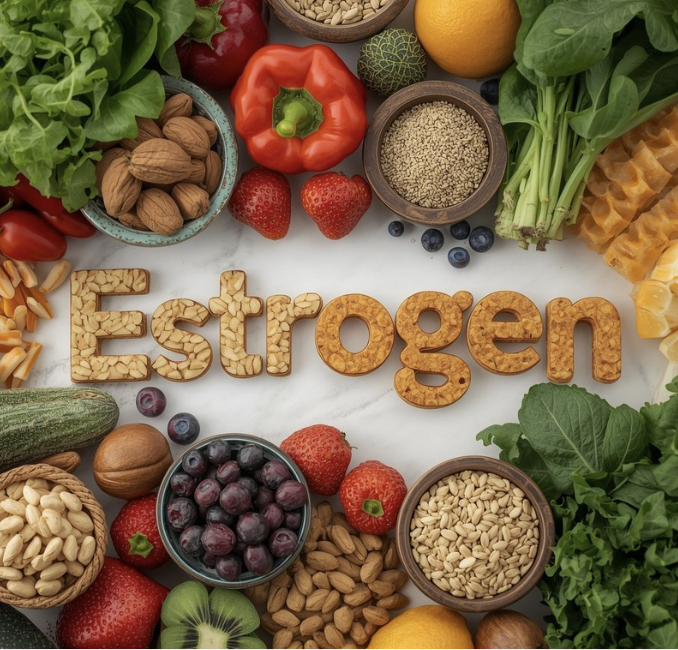
Lower estrogen may cause blood sugar fluctuations and insulin resistance. While we don’t want to avoid carbs, we want to make sure they are moderate and only take up about 45-50% of our total calories throughout the day.
Key Recommendations:
— Focus on whole grains
— Spread carbs throughout the day
— Choose high fiber foods (berries, oats, beans, nuts, and seeds )
— Balance carbs with protein, healthy fat, and fiber to help slow down digestion
Lifestyle strategies that have the biggest impact on perimenopausal health
Lift heavier weights instead of pushing cardio

Resistance training improves lean muscle mass, which can lower blood sugar without extra insulin. It also reduces visceral fat and supports bone density.
Key Strategies
— Aim for 30 - 45-minute sessions, 3-4x a week
—Start at a weight that seems comfortable and gradually increase weight or reps each week
— Avoid fasted workouts and caffeine without food
—Pre-workout meals: 30 grams of easily digestible carbs and 10-15 grams of protein 30 min-2 hours before exercise, limit fat and fiber
— Post-workout meals: 40-60 grams of protein within 60 minutes, 20-30 grams of carbs within 2 hours, rehydrate with electrolytes (coconut water or milk)
Consistent sleep schedules

Bad sleep can do more harm than you think. Not only does it affect our energy levels, but it can also mess with our hunger and satiety hormones, ghrelin (hunger) and leptin (feeling full), leading to more snacking or overeating. When we’re tired, we tend to make not-so-great decisions, including what we eat. For better sleep, focus on your sleep hygiene, as it impacts how well you sleep.
Key Strategies
— Aim for 7-9 hours of quality sleep a night
— Avoid Caffeine after 2 pm
— Limit screen time 30 minutes before bed
Stress Management

Perimenopause can increase stress because of high cortisol levels and a decrease in progesterone, which is a woman’s natural “feel-good” hormone. Increased stress can contribute to more fat storage and poor blood sugar control.
Practice daily de-stress techniques:
Daily walks
5-10 minutes of morning sunlight exposure
20-30 minutes of stretching
Breathing techniques
Regular Health screenings
Lab values can show us what’s happening on the inside
Think about preventative care
1:1 support is essential for thorough guidance for YOU
Talk to your primary care provider and push for additional labs if necessary.
Supplements: Strategic Support
While nutrition is important, it is just as important to get extra support from key supplements during perimenopause.
Vitamin D3: Why it matters for Perimenopause
Vitamin D plays a crucial role in bone mineral density and muscle function. As women age, there is a decline in skeletal muscle and bone mass. Together, estrogen and vitamin D affect bone health as estrogen is involved in Vitamin D metabolism.
AKA declining estrogen levels = less Vitamin D.
Key benefits
Supports strong bone density
Enhances immune function
Reduces inflammation
How to supplement Vitamin D3
Vitamin D3 is found in fatty fish, beef, liver, and cod liver oil
For best absorption: Look for cholecalciferol
Here she is again (Omega-3) – Why is it so important for Perimenopause?
Omega-3 is an essential fat that must be obtained through diet or supplementation
Estrogen, on its own, has anti-inflammatory properties. During perimenopause, lower estrogen levels increase the chances of inflammation by supporting other biochemical mechanisms.
Key benefits
Lowers inflammation
Supports muscle health and recovery
Promotes blood flow
Tip: Take these TWO together to increase absorption and get the most bang for your buck.
Science-Based Perspective on perimenopause
Perimenopause is not just a decline in hormones, but rather a series of fluctuations that can impact day-to-day routines. While estrogen intermittently rises and falls, progesterone also begins to decline or fluctuate starting around age 35. This means that it may influence our daily metabolic functions, such as how the body stores fat, how often you sleep, how hungry or full you may feel, and how you respond to stress. It is not your motivation or lack of willpower; it’s normal biology.
While there is no single dietary practice that fits every woman’s needs in perimenopause, a study in the European Journal of Nutrition found that an emphasis on nutrient-dense foods that include balanced macronutrients (protein, whole grains, starchy vegetables) can reduce symptoms and may increase longevity during the perimenopausal phase.
Dr. Marie Claire Haver states, “Perimenopause is not early menopause. It is its own distinct biological phase.”
Recommended Strategies:
Choosing whole, high-fiber foods to help with blood sugar control
Eating high-quality protein to protect muscle and manage cravings
Physical activity + strength training to sustain muscle loss
Prioritizing sleep + stress management to reduce cortisol spikes
This transition in life is NOT about yo-yo dieting. It is about supporting your body during hormonal changes in a way that is attainable and sustainable for long-term health.
Small Steps, Big Impact: Thriving Through Perimenopause
Build your plate with protein and veggies. ½ plate non-starchy veggies, ¼ plate protein, and split the other 1/4th between carbs and added fat (avocado, salad dressing, mayo, butter, etc).
Increase Fiber. Work up to 25+ g fiber daily. Start by aiming for ½ plate of veggies at lunch and dinner.
Protect your sleep. Aim for at least 7 hours a night
Focus on sustainable habits. Choose 1 small, achievable habit and stick with it consistently before adding anything new.
Personalize supplements. Base nutritional supplements on YOUR labs and symptoms with the help of a Registered Dietitian or your medical provider.
Intentional movement: Focus on lifting heavier weights and on short-duration, high-intensity cardio (10 min or less).
—We love www.evlofitness,www.nourishmovelove, and Hailey Happens Fitness for women-focused fitness.
Stress Reduction: Meditation and breathing techniques can help lower stress and reduce cortisol, which may help reduce symptoms.
Check your Thyroid: Listen to Lindsay O’ Reilly RD’s podcast – Where she breaks down the importance of thyroid health and how it may be impacting your hormones or symptoms during perimenopause.
Perimenopause Nutrition: Hormonal Balance and Weight Management
Perimenopause is the natural hormonal transition that begins in women in their mid 30s to mid 40s that typically affects energy levels, body composition, and daily routines. It is signified by fluctuations in the hormones, estrogen and progesterone, which may influence hunger levels, stress responses, and how we utilize energy stores.
Ultimately, traditional diets may not work the way they once did because our body is trying to conserve energy for the shift in hormonal balance. Rather than relying on self-motivation to restrict what we eat, a perimenopausal diet should focus on quality protein, high-fiber foods, healthy fats, and proper hydration to support metabolic adaptations.
To enhance our quality of life during perimenopause, we should also focus on a healthy, balanced lifestyle that includes resistance training, quality sleep, and stress management. Also, strategic, individualized supplementation with Vitamin D, minerals, and Omega-3’s can provide additional benefits.
Perimenopause is not about dieting more; it is about utilizing science-backed tools and maintaining sustainable habits to support long-term health as we age. This week, take one small step. Whether it is adding protein to breakfast, taking a 20-minute walk, drinking more water, or adding a vegetable at dinner, each action counts towards a better version of you.
Need help finding what you’re looking for?
Whether it is just navigating perimenopausal symptoms or exploring weight management strategies, our team of dietitians is here to create a plan that is tailored specifically to you for long-term success.
For more nutrition guidance from a registered dietitian, you can book a FREE discovery call with us today!