Micro-dosing GLP-1 for Weight Loss: A New Trend in Metabolic Health
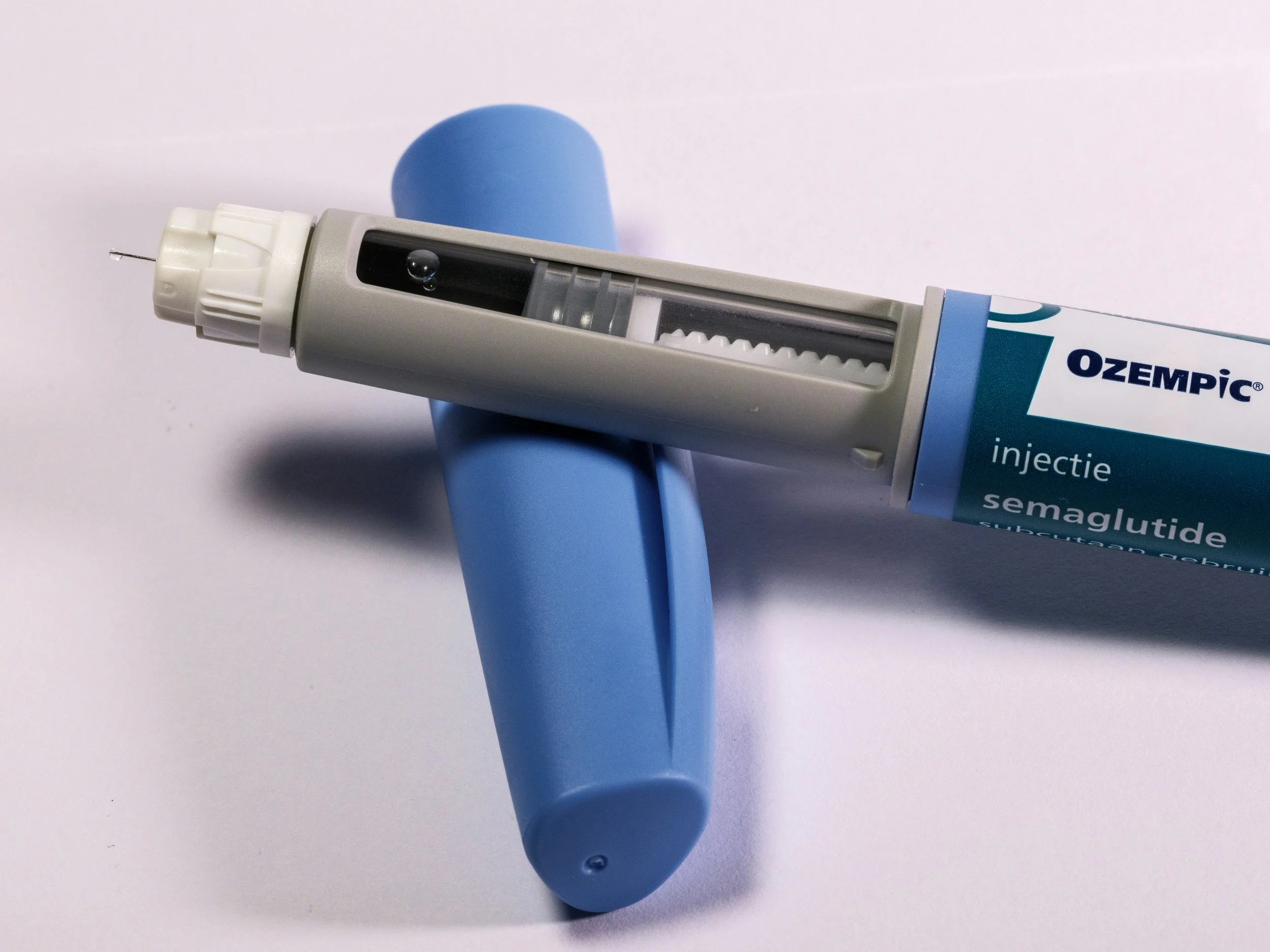
Microdosing GLP-1 Medications: A New Approach to Weight Loss and Appetite Control
As most of us know, GLP-1’s have changed the playing field of weight management. While Semaglutide and Tirzepatide were originally designed to treat and manage Type 2 Diabetes, it has quickly gained popularity for their side effects of appetite regulation and weight loss. In 2021, Wegovy and Zepound were officially FDA-approved as weight loss medications. However, like most medications, many report uncomfortable side effects such as nausea, vomiting, diarrhea, and abdominal pain. As of recently, a new therapeutic trend has emerged: microdosing GLP-1 medications.
In this article, we will break down how microdosing GLP-1 medications influences weight loss, appetite regulation, and metabolic health, including potential benefits and limitations.
What is a GLP-1?
To understand the microdose GLP-1’s, we need to discuss the standard dosing of semaglutide and tirzepatide and how they influence weight loss.
GLP-1 medications mimic the naturally occurring hormone in the body, known as Glucagon-Like-Peptide-1 (GLP-1), which is a hormone that is released from the gut after eating to assist in appetite regulation, insulin secretion, and gastric emptying. Therefore, when the Semaglutide medications activate the GLP-1 receptors in the brain, they act to increase feelings of fullness and slow down how long food stays in the stomach, which aids in weight loss because it can reduce caloric intake. However, some of the standard doses come with unwanted side effects, such as nausea, vomiting, and abdominal pain.
How is the Microdose different?
Simply put, the microdose is a smaller (micro) dose of the GLP-1 that aims to support gradual weight loss and improve metabolic health. The American Diabetes Association suggests that these smaller doses can help regulate hunger signals and improve appetite regulation without the common side effects. It is important to note that most clinical trials focus on standard dosing, which means that microdosing has not been well studied YET, but upcoming trials are pending to address the effectiveness of microdosing for long-term sustainable weight loss.
Benefits of Microdosing
Reduced Side Effects
Reduced Costs
Increased Tolerability
Personalize medication use specifically for individual needs
Due to the side effects of standard dosing of GLP-1’s, many have been searching for different weight loss remedies, like the microdose GLP-1s as they may offer a softer introduction that allows individuals to gradually adjust to standard dosing while still receiving benefits like appetite regulation. It can allow for a slower increase to the standard doses and a slower progression from one standard dose to another which can decrease side effects and improve long-term weight loss efforts. Microdosing can also be a helpful maintenance tool one goal weight has been met which can prevent weight regain which commonly occurs when medications are completely stopped. Additionally, since the medication is a fraction of the normal amount, it may also reduce the cost making it a more long-term weight loss tool.
Limitations of microdosing
While the microdosing approach, along with lifestyle interventions, may have benefits, the clinical evidence is still limited. Scientists are still investigating the long-term benefits and impact of lower-dose GLP-1’s, meaning it is always best to work with a healthcare professional to individualize dosing for safety and proper monitoring to ensure metabolic needs are met during weight loss and medication is being used in an effective way.
Is Microdosing GLP-1 Effective for Weight Loss? Key Takeaways and Expert Guidance
Microdosing GLP-1 medications is still a new strategy that aims to target appetite regulation and increase tolerability. Utilizing smaller doses of Semaglutide or Tirzepatide, some hope it will support gradual weight loss with minimal side effects. While the idea is gaining traction, the research evidence supports standard dosing. As a result, individuals should work with their prescribing provider for appropriate guidance and monitoring during weight loss. While GLP-1 strategies can be beneficial, those interested in weight loss should consult a nutrition professional to integrate medication with lifestyle changes, such as balanced nutrition, exercise, and daily habits that will improve weight loss results that support metabolic health. If you are already on a GLP-1 and are experiencing intense side effects, talk to a clinician about microdosing to see if it is right for you.
Personalized Weight Loss Support: Work with a Registered Dietitian for GLP-1 Success
Interested in learning more about GLP-1’s? Join our SHOT course —a self-paced, comprehensive program designed to help you understand what GLP-1s are, how they work in the body, and how to pair them with smart nutrition strategies for sustainable, long-term weight loss.
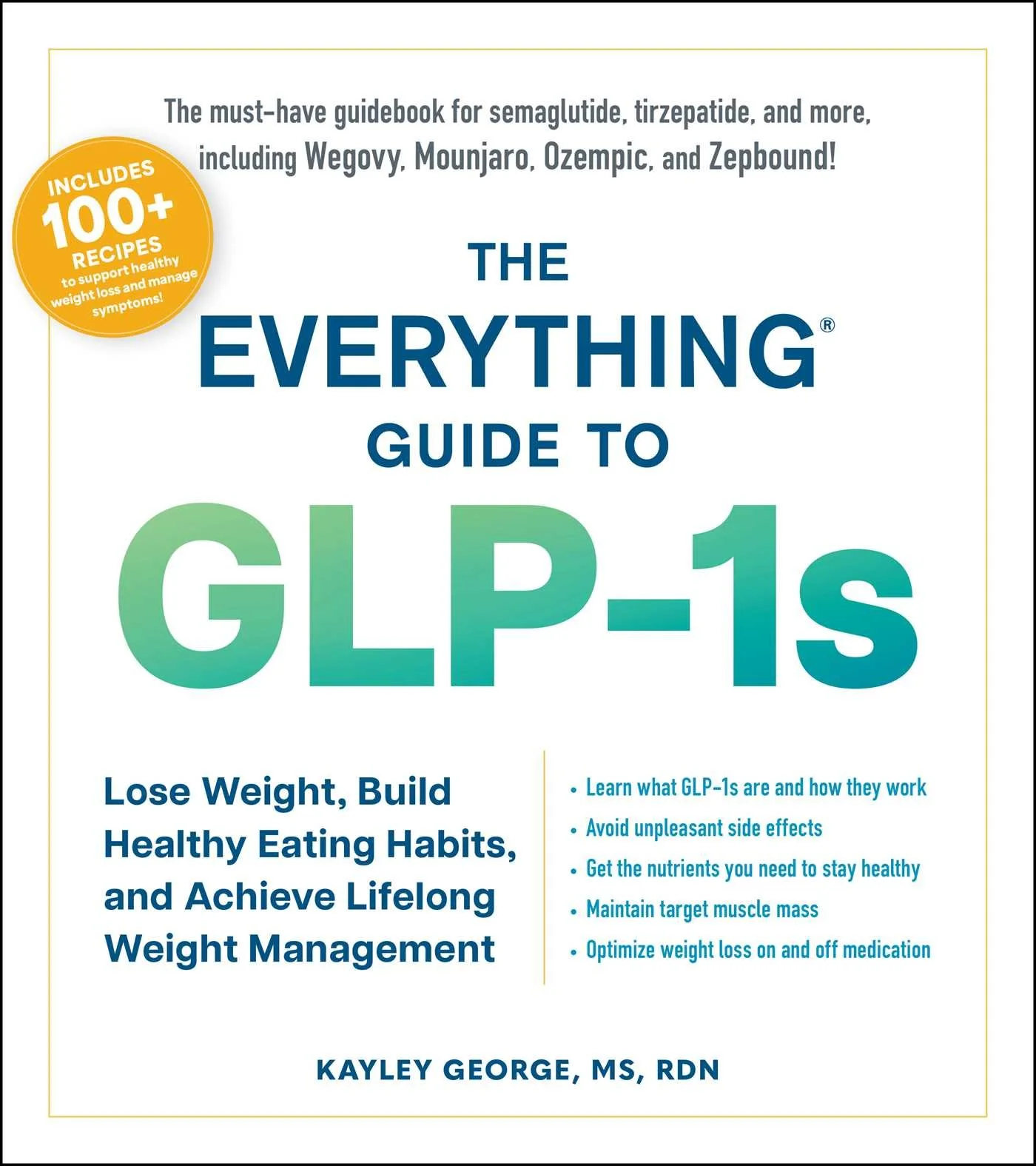
If you prefer to read at your own pace, you’re in luck—my book is a comprehensive, all-in-one guide to optimizing metabolic health while using GLP-1 medications.
Looking for support during your weight loss journey? Whether you are on a GLP-1, or just looking for balanced strategies for healthy weight loss, consult one of our Registered Dietitians who will work 1:1 with YOU to support your goals. Book a free call today!